Consumer intelligence is a mix of a variety of inputs, blending hard metrics like how often a customer shops and what they purchase with the all-important ‘why’ of the purchase. The sweet spots in this recipe are the subtle flavors of consumer life: perceptions, aspirations, struggles, and dreams.
Creating the perfect marketing menu means folding together everything from purchase data and demographic profiles to survey responses, online reviews, and even social listening. It’s about a holistic view of individuals, morning to evening, weekday to weekend. Only by integrating these diverse sources and dimensions can you form a multidimensional understanding of your customers.

Here’s what’s on deck:
- Consumer intelligence defined
- Methods of consumer data collection
- Uses of consumer intelligence for marketers and advertisers
What is Consumer Intelligence?
Consumers can be fickle human beings. Their behaviors, motivations, preferences and intents change frequently. Last week, the vacuum/mop combo cleaner, touted to “change your life,” flew from warehouses to doorsteps. This week, the wave waned. What changed? Another shiny new product promotion or perhaps the downturn in economic sentiment.
And, long gone are the days when consumers were loyal to a brand no matter what. Today, consumers are highly price sensitive and react strongly to events like tariff policies and interest rate changes. Purchase behaviors swing like a pendulum, bouncing against surprising influences that only deep consumer intelligence can unearth.
If your company is out of touch with how consumers shift in behaviors and sentiments, your business (and your marketing strategy) is likely lost without a compass.
Everything affects everything. If you aren’t watching the ‘everything’ in your consumer data, you’ll miss the clues that open doors for your products and services. The bottom line: Consumer insights unearth the “why” behind what people buy. It explores what triggers loyalty, how lifestyles or even political affiliation influence purchases. When we understand the why, we can better speak the language of the hearts of our customers
How is Consumer Intelligence Collected?
The size and budget of your organization may dictate certain avenues of consumer data collection. Organizations often utilize proprietary solutions for data collection and analysis, or turn to tools provided in the marketplace.
Sales and Transactional Data
Who purchased what? When? Time of day? Foot traffic? Web traffic? These are all fundamental data points found in the sales funnel and consumer interactions. Your front-line sales team has valuable information about how customers respond to product changes or promotions.
Paid Customer Surveys
Online surveys are one of the most frequently used types of market research, providing a cost-effective and efficient way to collect data from a large number of respondents. But, like any methodology, there are benefits and drawbacks to survey-based research. In particular, paid online surveys can be susceptible to a variety of different types of bias. It’s important to understand the components that might bias responses when utilizing paid surveys as a research mechanism.
Unpaid Surveys & Polls for Deep Customer Insights
If you can capture the sentiments of consumers without the carrot of payment, you’ll get a real view of what they believe, think, do and buy. CivicScience collects consumer sentiments via polls that are positioned in website content nationwide across thousands of topics. Real consumers give their opinions freely every day, contributing to over 15 years of historical data.
Sentiments are being collected in real-time, ensuring timely understanding of shifts that may happen due to political news, weather changes, economic hardships or many other factors.
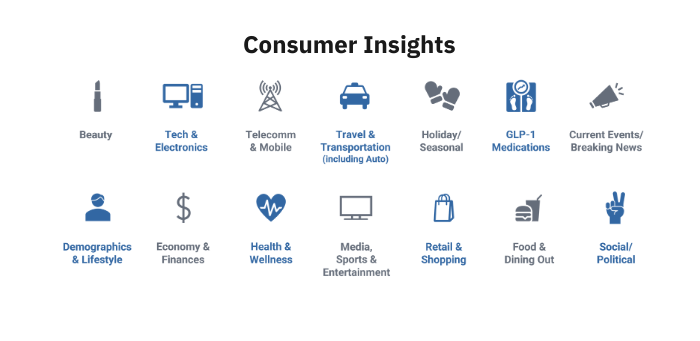
Data from Consumer Intelligence Companies
Many companies collect and offer consumer datasets for purchase built around industries or target audiences. Factor in your company’s budget, business goals and any existing challenges. You may consider purchasing data for specific audiences (beauty product buyers, CPG shoppers, or demographically configured audience targets).
The key consideration here is freshness of data. Stale data can lead your company down the wrong road or contribute to missed opportunities. CivicScience collects consumer data across thousands of topics 24/7, providing real-time insights, collecting over 1M responses each and every day.
Ad teams often purchase subscriptions to large nationwide sets of data that can optimize audience engagement, measure performance through brand lift studies, and inform future sales growth strategies, consumer and shopper intelligence, and media measurement.
Analyze transaction data to reveal purchasing patterns and favored products among your customers. By recognizing these trends, you can better anticipate shifting demands, make well-informed long-term decisions about brand positioning and product launches, and cultivate stronger customer loyalty.
Industry and Consumer Trend Reports
Whether you’re a research analyst or a sales account manager, industry trend reports can be a valuable input to your overall understanding of consumer behavior and important trends. Crack open most any industry trend report and you’ll find a market overview, a view of the competitive landscape, emerging obstacles and new opportunities.
Equally valuable are pulse reports that capture real-time shifts in consumer behaviors. Broad topic pulse reports cover topics like economic sentiment, while others may dive into the trends in sports streaming subscriptions or Roblox age gating rules.
Social Media Listening
When someone mentions your brand, a product, or an experience, you should know all the details of that comment. While you could try a manual approach to this massive task, there are low-cost options to help keep you in touch with the good and bad of your customer’s experiences.
From Sprout Social to HootSuite, these tools make it easy to understand the sentiments of existing and potential customers, identify opportunities for product development, keep on eye on the movements of competitors.
Website Data
Your website is a goldmine for customer insights. An analytics tool like Google Analytics can provide you enough information about how people interact, behave, or consume data. You can set up specific events and triggers to understand their perception, online behavior, preferences, etc., to boost your online conversion rates.
How Can I Use Consumer Intelligence in My Marketing, Sales and Advertising Strategies?
If you aren’t keenly in touch with your customers, you’ll likely lose sight of what they need and want today. You’ll also have difficulty predicting what they’ll want in the future. Instead, you can juice up your ad campaign performance and conversions with consumer data that changes the game. While there are unending uses for this data, here are 5 key strategies.
Precision Targeting – Advertising, Sales, Marketing
To be highly effective in advertising campaigns or marketing motions, we must speak directly to the needs and desires of consumers. Consumer intelligence helps marketers identify segments with specific wants and enable advertisers to tailor messaging, creatives and offers to target audience segments.
Product Development
By listening to social media signals and feedback channels, utilizing surveys to research new product interest, or evaluating favorability to your brand or products, you lay a data-driven foundation that allows you to address consumer concerns or desires. While you may question the investment of time or resources spent on this end of the funnel, you’ll save exponentially in the long run and ensure you don’t release an unwanted product or service to your audience.
Crisis Management and Risk Mitigation
Did recent tariff policy changes impact your organization’s bottom line? You’re not alone. Or perhaps a food recall had a staggering impact on sales. Monitoring how the public reacts to events such as these help marketers spot crisis moments and mitigate quickly.
Customer Experience
Insights into consumer sentiment and behavior guide improvements in service delivery. Anticipating needs, resolving friction, and exceeding expectations can turn casual buyers into loyal advocates.
Competitive Advantage
The market is often crowded with highly competitive landscapes. How do you make your brand seen and heard in the chaos of social media influencers, highly funded ad campaigns and ever-shifting search algorithms? Understanding your customers better than your competitors can make or break your visibility. Consumer intelligence reveals emerging trends, new opportunities, and shifting preferences.
Consumer Intelligence that Fuels Modern Marketing
If you’d like to take the guesswork out of your marketing strategy, robust and real-time consumer insights can transform your efforts into a grounded framework of knowledge. Instead of trying to navigate a dark cavern with a candle, turn on your consumer insights flood light to see into every crevice of the path ahead.
With the dimensions of demographics, lifestyle behaviors, feedback, psychographics and sentiments, you can:
- Build authentic stories that reach your target audience
- Move quickly when your customer’s needs shift
- Create lifetime value from your customers
- Understand the fears and hopes of your consumers
- Encourage loyalty
Discover how CivicScience consumer intelligence can accelerate your brand’s success.
More Consumer Insights
Do Moms of Gen Alpha Kids Shop Differently in the Beauty Aisle?
Over 6 in 10 Americans Feel Nostalgic Right Now— Here’s Why Retailers Shouldn’t Wait to Capitalize