Some of news journalism’s wounds are self-inflicted.

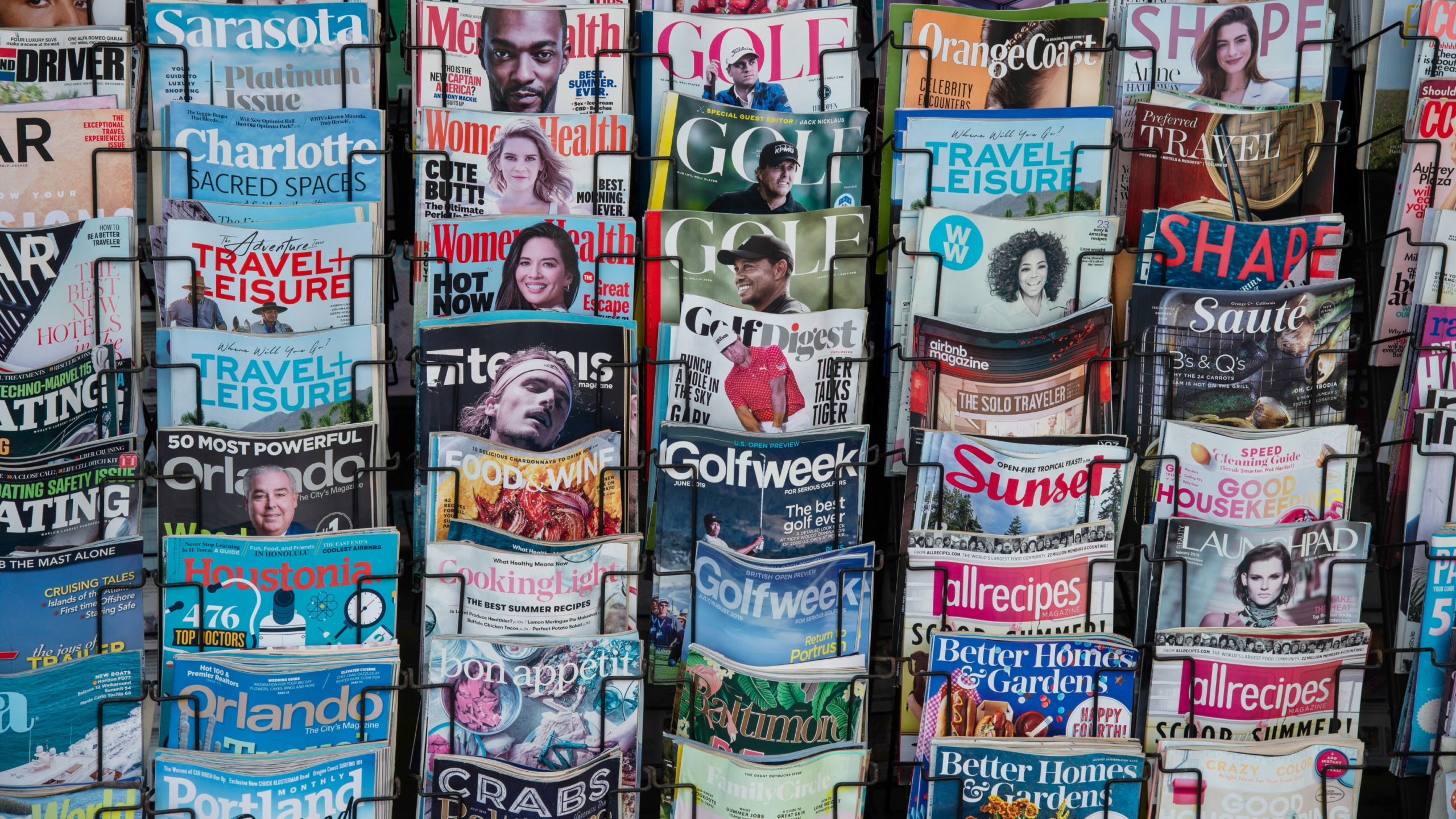
One of the most thought-provoking sessions I attended at Cannes centered on the imperiled state of news media. It was moderated by the inimitable Kara Swisher and included a panel of folks from blue chips like the NYT and WSJ, among others. The discussion covered various challenges facing journalism – the proliferation of faux news, the advent of AI, the fragmentation of audiences, and the growing aversion among brands to run ads alongside controversial or hard-hitting news. The list goes on.

A week earlier, it was reported that ad revenue generated by so-called “content creators” (think: TikTok, YouTube, etc.) is expected to surpass that of traditional media outlets for the first time this year. While that announcement wasn’t mentioned explicitly on the panel, the juxtaposition between “creators” and “fact-based journalists” colored many of the comments. Each panelist made a case for advertisers prioritizing the latter. For starters, news audiences are highly valuable and engaged consumers, which CivicScience data has repeatedly shown. 

The question screaming inside my head the whole time was this: Why do we talk as if there’s an inherent, non-semantic difference between fact-based journalists and creators?

It’s a false choice.

Nothing fundamental distinguishes one from the other. The only practical difference is that creators forge a direct relationship with their audience, because they can. With institutional trust at all-time lows, particularly among younger people, personal connection is crucial.

Historically, journalists have been representatives of a higher power. The notion of a reporter or correspondent establishing a brand beyond – let alone above – their employer was anathema. Mastheads and call letters were king. Newsrooms were filled with expendable occupants. Unions were formed.

With exceptions you can count on one hand (including two mentioned above), the power in media has turned upside down. Audiences gravitate to people, not logos. ESPN figured this out with Pat McAfee. Spotify, with Joe Rogan. Vox, with Scott Galloway and Kara Swisher.

Local and national news networks, along with the artists formerly known as newspapers, are the last ones to get wise. They could equip, empower, and encourage their journalists and on-air personalities to build their own brands – across distribution platforms – and vie for new talent who can bring audiences with them. My kids don’t know what KDKA (our CBS affiliate) in Pittsburgh is. But they know who Bob Pompeani (KDKA’s hyper-popular sports personality) is.

It’s that simple.

Popular “news creators” should have a piece of the upside, a concept that will make most old-school media execs reach for their heart meds. If the winds keep blowing as they are, a future where legacy outlets become aggregators of the talent under their banner – where advertising and other profits are shared between creator and corporate – might be the most viable one. News organizations just need to do it soon, while their built-in audiences, distribution, and operational resources still provide meaningful leverage.

Otherwise, the world (and the dollars) may simply pass them further by.

Here’s what we’re seeing

Made in America” is marginally important to people, but it varies widely by industry. Through the tariff kerfuffle of the past few months, we’ve been asked repeatedly by clients whether consumers have shifted their attitudes about the virtues of products made right here in the good ol’ U.S. of A. In short, no, people place about as much importance on it now as they did five years ago. But, in our 3 Things to Know this week, we found key nuances across industries. Over half of Americans prioritize “Made in America” when it comes to buying food (see: supporting U.S. farmers), compared to just 32% in tech, toys, or luxury items. The real questions clients should be asking us are: Who cares about it, who doesn’t, and how do we reach them? We also looked at Americans’ comfort level with AI being used in different industries, with wide disparities between categories like retail and media/entertainment (ok) and healthcare or finance (not ok). Lastly, we looked at video game-buying – in-store vs. online – across a multitude of retailers.

The plight of movie theaters is multifaceted. While the movie industry is quick to celebrate blockbusters like Lilo & Stitch and Mission: Impossible, most recently, the harsh reality is that the movie theaters will likely never return to their golden age. In our latest study on Americans’ movie-going habits, a multitude of logical culprits surfaced. Rising ticket prices are one big factor, along with the convenience of watching at home, and post-COVID reticence (still) about being in crowds, particularly among younger audiences. But the most common explanation given by consumers reveals a sort of self-fulfilling prophecy. As studios pull back their investments in major theatrical releases, playing it safe with superhero movies, animation, and reboots, a lack of appealing options is keeping a lot of people away. It feels like a spiral.

Economic uncertainty is kicking the alcohol industry while it’s down. There’s an old adage (possibly supported by real data that I didn’t take the time to research) that “vice” sales go up during times of economic strain. Whether that was ever true or not, it certainly doesn’t appear to be the case today at least as it relates to booze. After consecutive years of decline, the number of drinking-age U.S. adults who say they expect to drink less this summer, relative to years past, jumped another nine percentage points compared to the same period in 2024. Driving the increase is clearly cost considerations, while we see a high correlation between scaled-back drinking intent and feelings of economic uncertainty. Benefitting from this trend most are non-alcoholic seltzers and sodas.

Speaking of soda, the prebiotic trend is a freight train. Seemingly out of nowhere, one in four U.S. adults now report being at least occasional drinkers of probiotic sodas like Poppi, Olipop, and Coca-Cola’s new entrant in the market, Simply Pop. While eating away at traditional soda sales, these new gut-healthy alternatives aren’t entirely cannibalizing the category – 91% of probiotic drinkers say they still also drink old school pop. Compared to traditional (only) soda drinkers, however, they’re a distinct consumer group. Probiotic soda enthusiasts are more optimistic about their financial situation, more likely to still be drinking alcohol, big sports (and sports podcast) fans, and digital newspaper and magazine readers.

Fewer people plan to celebrate the Fourth of July this year. Since I will most certainly be celebrating, you shouldn’t expect an email from me next Saturday. But it appears I will be in the minority, as only 49% of U.S. adults who regularly celebrate report an intention to let their patriotic flag fly next Friday, down from 54% in 2024. The sociopolitical climate is partly to blame, as Democrats are far more likely than Republicans to say they typically celebrate but won’t this year. Cost is another obvious factor, as intended spending on things like fireworks is down. Even with all those negative numbers, 33% of Americans plan to attend a cookout, up two percentage points from this time last year. I’ll be doing all of it, fireworks included. And you should too. Life’s short.

More awesomeness (and news) from the InsightStore™:

  • The plant-based meat trend seems to have plateaued but it’s still formidable;
  • Our latest Economic Uncertainty webinar (hosted by yours truly) is next Tuesday and will focus on early holiday shopping, Amazon Prime Day and other retailer events, and updates on U.S. economic sentiment and spending. Sign up here;
  • In case you missed it, while I was away in Europe, we announced a very exciting partnership with the Sports Business Journal to bring a treasure trove of insights about U.S. sports fans and the sports business landscape to leagues, teams, advertisers, and media platforms. As a sports geek myself, I’m psyched. 

The most popular questions this week:

How likely are you to get a tattoo celebrating your favorite sports team’s championship?
Have you ever been told you’re a great flirt?

What’s your favorite type of taco?
Do you often find yourself overthinking situations?

Do you prefer short or long hair on yourself?

Answer Key: I’m from Pittsburgh, there isn’t enough room on my body for all the championships; No, but I am; Fish; Hmm…well…uh…let me noodle on that for a minute; Yes.

Lastly, if you were one of the many people who like to answer those questions above, you may notice they live on a new site, our Polls & Insights portal, where you can see all our newest questions, answer the polls and quizzes you like, and even have them delivered to your inbox every day. Give it a shot.  

Hoping you’re well. See you in a couple weeks.

JD