You should watch the new Lilith Fair documentary on Hulu.
Make your daughters – and perhaps more importantly, your sons – watch it too.
It’s outstanding.
I vaguely remember Sarah McLachlan’s Lilith Fair brainchild when it was happening. It started toward the end of my college years, when I was preoccupied with other things. I certainly wasn’t aware it was such a socio-political lightning rod.
I also didn’t know radio stations still considered it taboo in those days to play female artists back-to-back. I listened to a lot of Indigo Girls, Natalie Merchant, Dixie Chicks, Sheryl Crow, and others on the Lilith bill, but never thought much about it. I wasn’t making a statement. They were just awesome musicians.
That was a hallmark of many young men of Gen X. We weren’t actively, or at least consciously, sexist or misogynistic. We were simply oblivious, too self-centered to notice. At least for me, that all changed when I had daughters.
Watching the Lilith doc this week, I found myself cringing at how the artists and festivalgoers were mocked in the press, relegated at the Grammys, and protested. Things have progressed a lot since then, right? Or am I still oblivious?
This month, the Census Bureau reported that after decades of slowly shrinking, the wage gap between U.S. men and women widened for the second consecutive year in 2024. It grew even more prominently among Black and Hispanic women. I suspect all of you women out there didn’t need data to tell you that the more things change, the more they stay the same.
It’s in our collective nature to deprioritize social issues during times of economic uncertainty, geopolitical unrest, and all the distractions going on in Washington and the press. It doesn’t mean these issues disappeared. On the contrary, over the past three quarters, the percentage of Americans who say they’re concerned about gender equality (63%), racial equity (72%), and climate change (79%) have all reached 5-year highs. Only 28% of Americans today oppose DEI.
Corporate leaders have plenty of excuses to deemphasize social issues right now – consumers are focused more on price in the current economic climate; traffic is down; tariffs and supply chains are straining bottom lines; the risk of backlash (and retribution) is too high. Or maybe some business leaders don’t believe in those causes in the first place. Maybe they’re in the 28%.
Just understand that the overwhelming majority of consumers do care about these things – and the numbers appear to be climbing because the circumstances don’t appear to be improving.
Sarah McLachlan knew things needed to change in 1997, so she did something about it.
But the work is nowhere near done.
Here’s what we’re seeing:
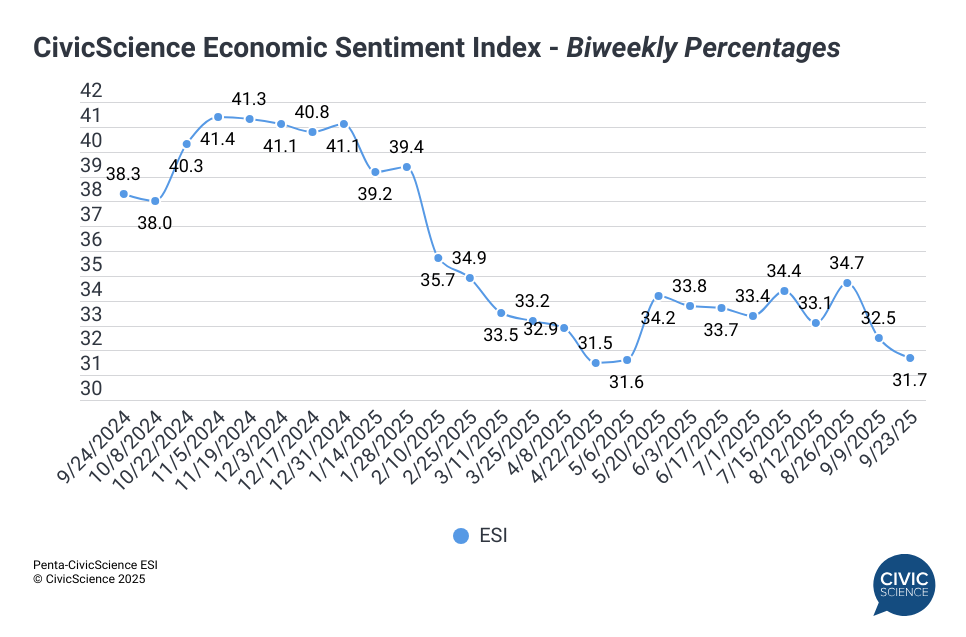
Consumer confidence fell again. Last week’s rate cut hasn’t seemed to lift economic spirits, as our Economic Sentiment Index fell for its second consecutive two-week reading. Weighing most heavily on consumers’ minds is their long-term outlook for the U.S. economy (-3.8pts), followed closely by their fears for the job market (-3.7pts). The latest release wasn’t without its positives. Views on personal finances and the housing market each improved by more than a point. It’s going to be an interesting fourth quarter.
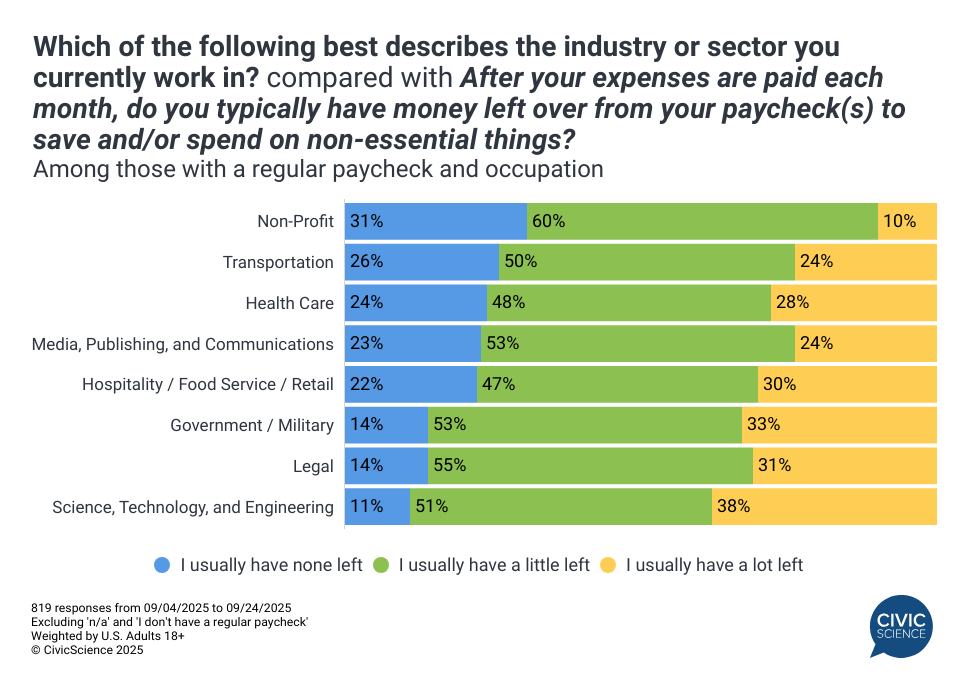
A lot of Americans are living paycheck to paycheck, while still finding ways to spend in priority categories. Just over one in four working U.S. adults report having no money left over at the end of the month after covering their basic household expenses – a percentage that’s held pretty consistent in recent years. Naturally, it’s more common among younger and lower-income households, but not exclusively. People working in the non-profit sector, transportation, and healthcare are the most likely to fall into this group. The research does raise some questions about what people consider “basic.” Paycheck to paycheck workers are more likely than those with disposable income to spend money on premium and prestige beauty products – which explains why that category has continued to thrive against all odds.
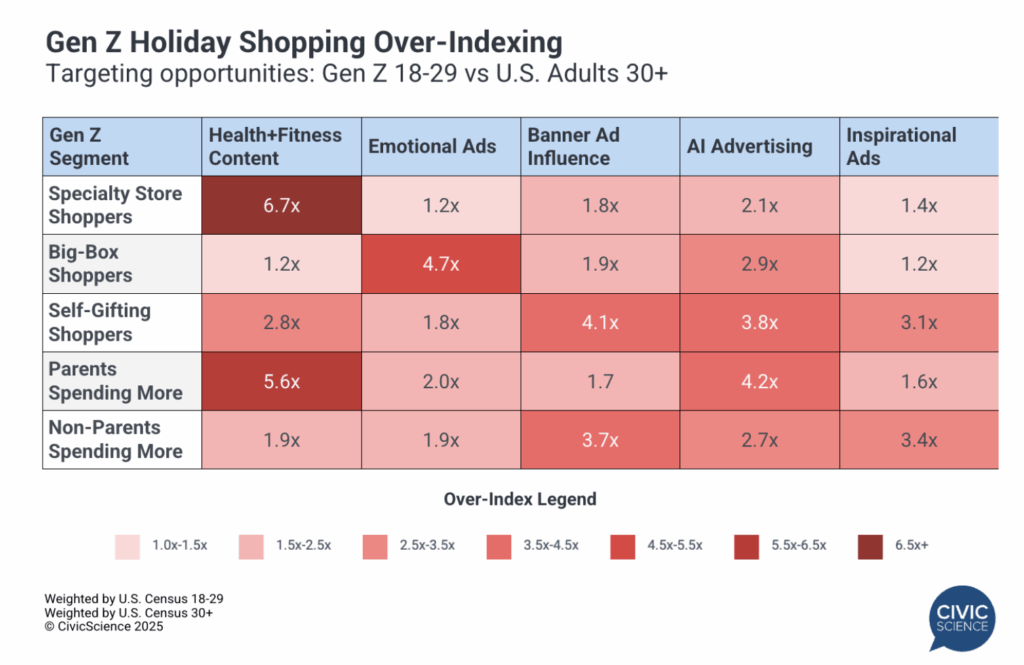
Advertisers hoping to snag Gen Z holiday shoppers may have already missed the boat. With early holiday shopping at a 6-year high, the surge is being led by America’s young adults. Fifty-three percent of Gen Z have already begun their holiday buying, up from 33% this time last year and over 50% higher than the general population. Contrary to other reports we’ve seen, our data suggest that these Gen Z shoppers plan to spend more than last year – on even more gifts. That’s not necessarily a good thing. Nearly half say they’re very likely to use Buy Now, Pay Later services to cover their gift-buying. We also took a closer look at where to find these early Gen Z shoppers, the kinds of ads that appeal to them, and key differences between young parents and non-parents.
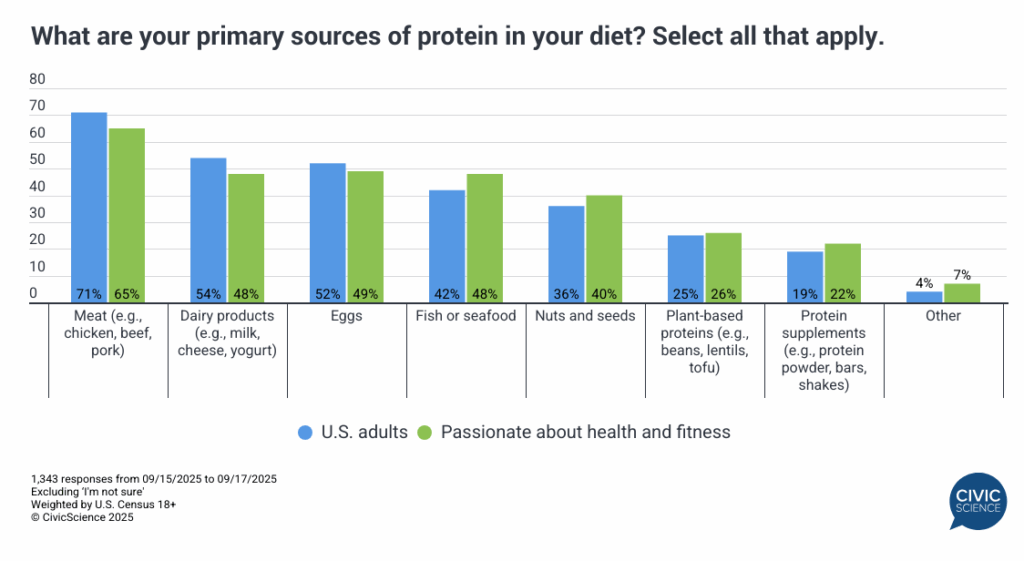
Protein is all the rage right now. Tracking with our recent findings on declining obesity and rising strength training among U.S. adults, the popularity of protein – not just meats and nuts, but even in products like dry pasta and snack chips – is growing. Fish and dietary supplements are particularly big among health and fitness enthusiasts. Also in our 3 Things to Know this week, we looked at the two-thirds of Americans who are likely to have an ad-blocker on their phone or tablet (they skew heavily male). Lastly, we learned that parents and non-parents have different ideas of what they consider “downtime.”
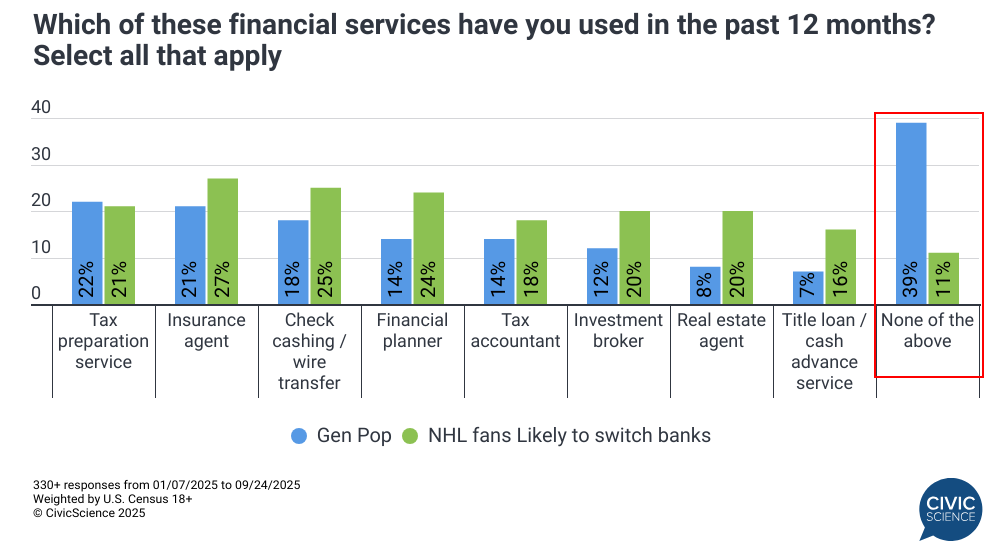
NHL fans are a prime target for financial services companies. With the new NHL season soon upon us, we started exploring the consumer proclivities of hockey fans, finding that they’re remarkably active as investors, bank-switchers, and users of all manner of related services. If you’re pitching wares in any of the below categories (or doing ad sales for the NHL), you should probably just read this for yourself.
More awesomeness from the InsightStore (and elsewhere):
- I hope you saw in the press that we announced a very exciting partnership with The Atlantic this week;
- Next Wednesday, I’ll be joining Michelle Meyer, Mastercard’s rock star chief economist, for a big webinar on the upcoming holiday retail season. You can sign up here;
- In case you missed it last week, we published one more exclusive (meaning you have to download it to read it) study about early holiday shoppers and the best windows to reach them (and where).
The most popular questions this week:
Have you ever turned to holistic or alternative medicine for healing?
Do you think the arts are getting enough emphasis in American culture?
Do you personally consider graffiti to be art or vandalism?
How do you typically cook meatballs?
Would you be interested in visiting a non-alcoholic beverage bar?
Answer Key: Nope; Not even close to enough; Obviously it depends; In the oven; I can’t think of any reason why I would.
Hoping you’re well.
JD
Do you want to be on the list to receive my weekly email? Subscribe here. Our solutions are helping our clients navigate this era of uncertainty and market disruption. You should be one.
In case you’re wondering, I write this informal email to CivicScience clients, friends, and other VIPs every Saturday morning. If you’re getting this, you’re either one of those people or were referred to me by one of them. I always love your comments and feedback.