Heroes are hard to come by.
I have only a few: My dad, Tod Johnson, Roberto Clemente, and whoever came up with the idea for that single blade on the back of a handheld razor to reach the quarter inch of stubble under your nose. Why the hell did that take so long?
Alas, a search for heroes today can be a difficult one.
To be fair, we’ve had few circumstances for true heroism lately. There was no shortage of heroes during World War II, the Space Race, the Civil Rights Movement, or 9/11. Little is testing the will and valor of Americans on quite that scale today, which is a good thing, I suppose.
There’s also an important distinction between acts of heroism and being a hero. The lifeguard who saved that kid from drowning in Santa Cruz last week deserves all the medals. He could also be an asshole who cheats on his girlfriend, steals from the elderly, and leaves his grocery cart in the middle of the parking lot. He’s probably not, but how would I know?
While singular moments of courage, sacrifice, and generosity are worth huge bonus points on the hero scoreboard, they’re not enough alone to burnish an otherwise rotten life lived. Hero status – worthy of emulation – is the net sum of all parts, some weighted more than others. Heroes have flaws. They make mistakes. Acknowledging, atoning, and growing from them are their own hallmarks of heroism.
Unfortunately, our current culture doesn’t align with that last statement, which might be why we have so few heroes to begin with.
Before the Internet, before social media, we seldom knew more about people than they wanted us to know. Private lives were private. Not everyone was expected to take political sides. Values and morals were more homogeneous.
The term “never meet your heroes” used to be a thing. Today, we already know everybody, or at least we think we do. Then, a single misstep relegates someone from GOAT to goat, sometimes deservedly, sometimes I’m not so sure. We can’t even agree on right or wrong.
It all results in heroes being an endangered species. And that’s sad.
I’ve generally found heroes in my immediate orbit, people I could get to know and trust, to see the full picture. I never met Roberto Clemente, but I’ve watched and read everything ever documented about him. Among fellow Pittsburghers and former teammates who knew him, I’ve never heard a single bad syllable.
I hope you’ve found heroes in your life. They provide faith and purpose. A North Star.
And if you happen to find the person who invented the “edging blade” at Gillette, let me know.
We should build them a statue.
Here’s what we’re seeing:
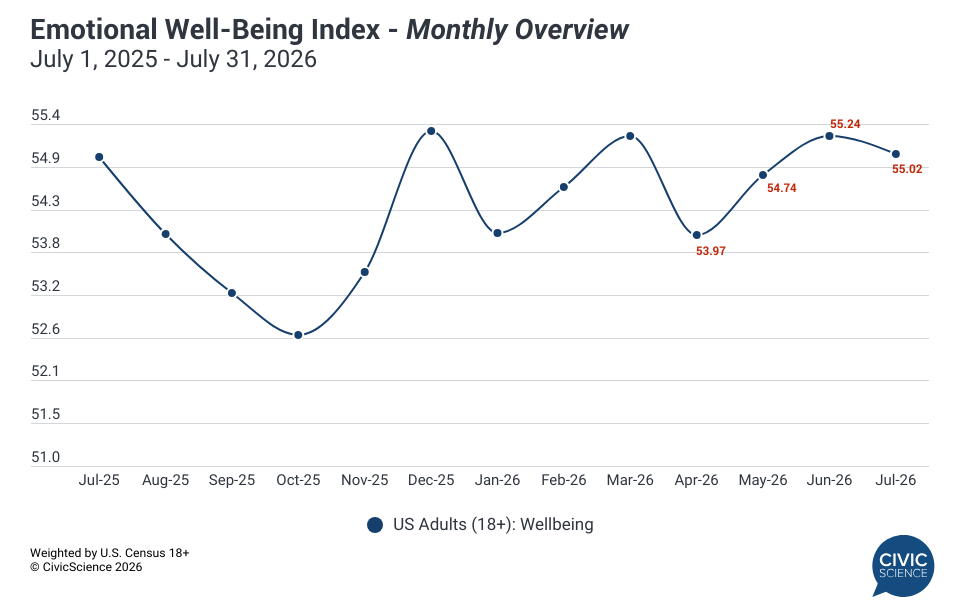
America’s mood darkened slightly in July, as the World Cup came to an end and summer fell more into the rearview mirror than the windshield. After two lofty months, our Emotional Well-Being Index dipped a bit in July, landing almost exactly where it was a year ago. It speaks to a certain seasonality in our collective vibes – suggesting that the downward move will continue in August, per usual. While U.S. adults reported higher levels of happiness and declines in stress and worry, they were offset by a major drop in excitement and jumps in sadness and fear. The second half of summer is the definition of mixed emotions.
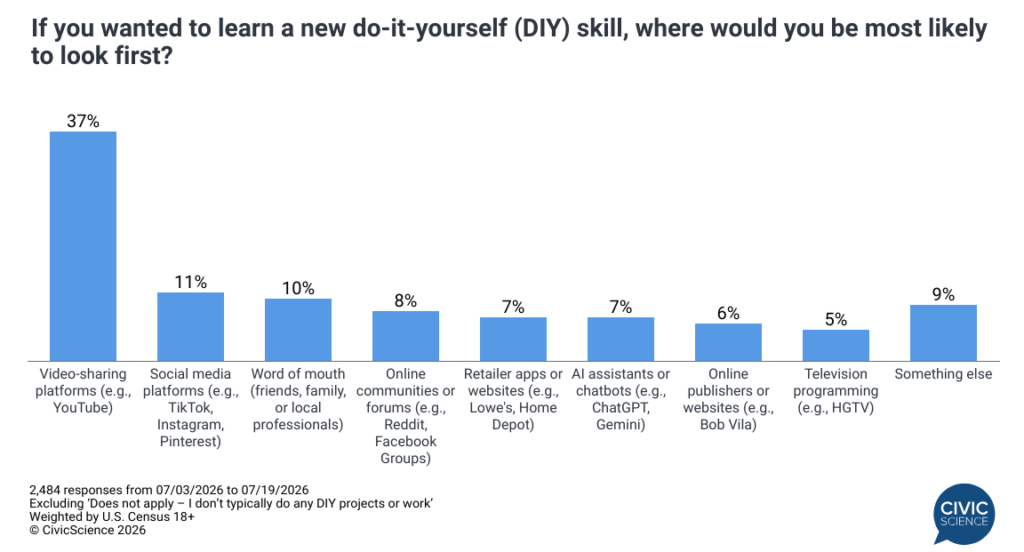
Maybe, just maybe, World Cup fever will have staying power in America. In our 3 Things to Know this week, we found that 40% of U.S. adults are reporting increased interest in soccer following this summer’s international extravaganza. Allegedly, they plan to watch more international games, pay more attention to the MLS, and follow their new favorite players (see: Erling Haaland). We’ll see if it holds. In other news, we learned that a lot of people are exploring new DIY skills this summer and they start by turning to YouTube. Lastly, our data suggests that pop-up events – especially food-related ones – are all the rage.
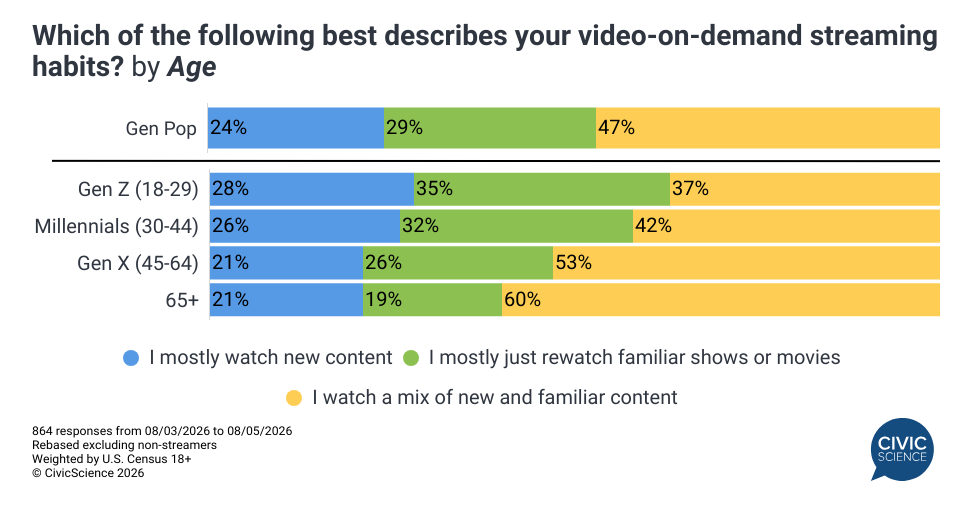
The summer has seen a surge in streaming subscriptions, even as fatigue and churn are changing the mix. 78% of U.S. adults now use at least one streaming service, up from 72% in Q1. After dipping a few percentage points since the beginning of 2025, the number of households with three or more services has rebounded over the past four months. Elsewhere in this expansive study, we looked at the rising popularity of ad-supported subscription tiers, how people have gotten shrewder about starting and stopping services for specific shows, and – surprisingly to me – that people are more likely to rewatch shows and movies they already know than to watch new content.
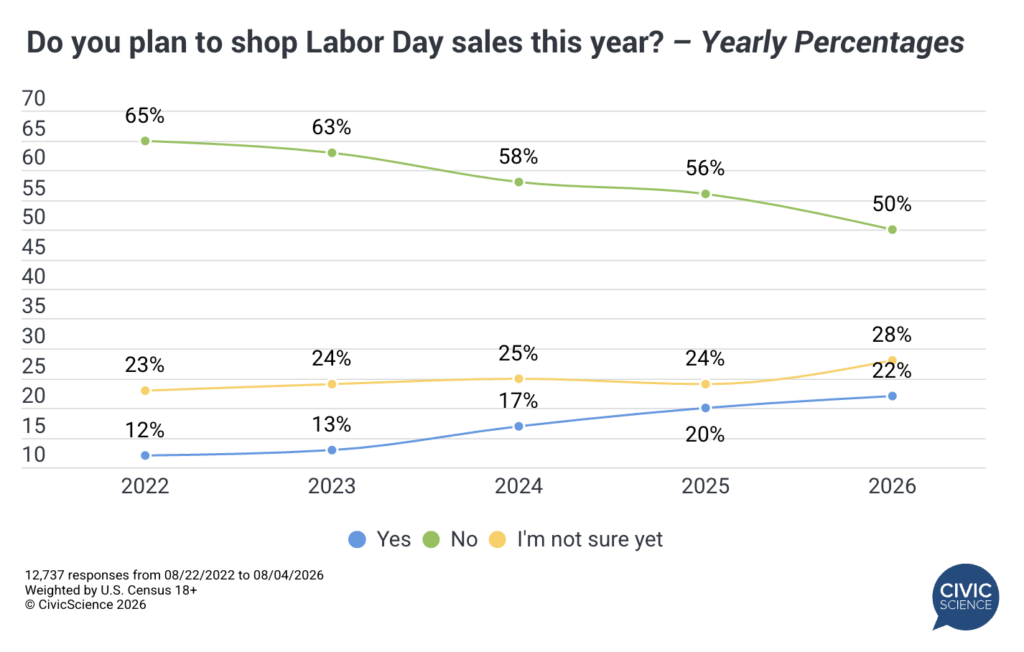
Labor Day is apparently the hot new shopping event. There are few places I’d rather NOT be than a retail store on the final three-day weekend of summer, but evidently I’m off-trend. Nearly one in five U.S. adults plan to shop Labor Day sales this year, up from just 13% in 2023. Another 28% are thinking about it. Of those likely to shop, the percentage planning to spend $100 or more is up considerably over last year as well. Apparel, electronics, and furniture are the highest intent categories. We also provided a small roadmap for anyone looking to advertise to these Labor Day shoppers. You’re welcome.
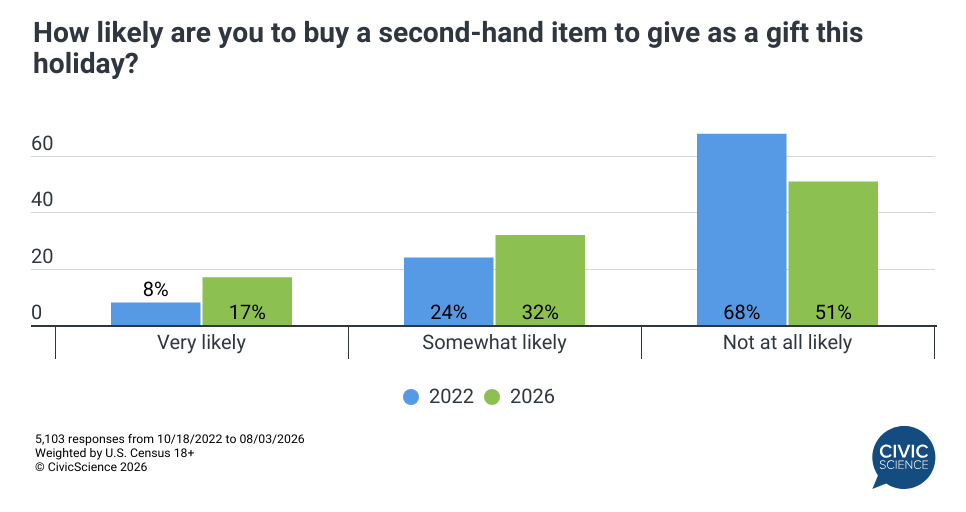
Second-hand retail continues to grow in popularity and it’s not merely about price. A whopping 83% of Americans say they’re interested in buying second-hand items, with clothes, shoes, accessories, and home decor topping the list (they’re much less likely to want pre-owned electronics or appliances). And, while getting things on the cheap is the main motivation, it’s not the only one. Scoring vintage goods and helping the environment are common reasons too. More retailers are now experimenting with second-hand departments – and they should.
The most popular questions this week:
How concerned are you about potential cuts to public media funding?
Do you think artificial intelligence will have a positive or negative impact on the music industry?
Would you ever consider dining at a restaurant that offers nude dining?
Do you personally feel hopeful that the US will be more unified in the future than it is now?
Answer Key: My opinion on this subject is unpopular in my house, so I plead the 5th; For “the industry,” yes. For “the art,” probably not; 100% approve – they need all the help they can get; Only if it’s a barbecue joint – that would be hilarious; Very hopeful, just not this year.
Hoping you’re well.
JD
Forwarded this email and want on the list? Subscribe here.
In case you’re wondering, I write this informal email to CivicScience clients, friends, and other VIPs every Saturday morning. If you’re getting this, you’re either one of those people or were referred to me by one of them. I always love your comments and feedback.
The Dumbest Guy in the Room Podcast | LinkedIn | X | The CivicScience Poll of the Day