At least people are trying to get healthier.
A few weeks ago, Noelle sent me a picture of protein-infused Doritos she found at a grocery store in Cleveland. All I could think is that we’ve completely jumped the protein shark. I mean, come on. Protein-enriched pasta or breakfast cereal is one thing. But healthy Doritos?
Alas, the researchers at CPG companies know what they’re doing, even if consumers sometimes don’t. The protein craze in America right now is very real. Seventy percent of U.S. adults say they’re actively increasing their protein intake. It doesn’t mean they’re healthier – many nutrition scientists will tell you people are overdoing it on protein – only that they aspire to be.
I’m certainly not immune to health fads. I bought a Whoop band a couple months after seeing a friend with one. Whoops are like upskilled screenless Apple Watches with 24/7, low-latency heart, sleep, and stress monitoring. The company got a PR boost when Rory McIlroy (an investor in the company) wore a green one during the Masters, and shared his minute-by-minute, shot-by-shot heart rate after the tournament. It’s fascinating, if you haven’t seen it.
I got mine to help with my lousy sleep health. I’ve learned a lot. And it makes a difference.
Collectively in America, we’re digging ourselves out of an unhealthy hole. In 2015, 21% of U.S. adults self-identified as “very healthy,” before climbing to a peak of 30% in Q1 2020. The pandemic reversed the trend, with “very healthy” diving to 23% by 2022, then mildly improving to 26% by the end of last year. Meanwhile, those who self-identify as unhealthy (very or somewhat) rose from 16% to 25% since 2020. It has yet to show any signs of improving.
Whether we’re truly unhealthier (plenty of data, like declining rates of obesity and substance abuse would suggest otherwise) or simply feeling that way, Americans are showing a renewed interest in healthful living. Of course, we can’t ignore the zeitgeist around GLP-1 drugs. Every day, it seems, I meet another person who tells me they’re taking them. With oral versions of the drugs now available for as little as $150 per month, the trend may have only just begun.
So, here’s hoping the efforts pay off. And if you’re going to eat Doritos anyway, you might as well buy the least unhealthy ones you can find.
Here’s what we’re seeing:
Our national health kick is extending beyond our physical well-being. The percentage of U.S. adults who report having seen a talk therapist (actively or previously) has reached record levels this year (44%), up 12 full percentage points since 2021. Many more people likely would if healthcare costs weren’t a barrier. Absent professional help, Americans have grown more intentional in figuratively self-medicating to deal with their stress and anxiety. Binge-watching TV remains the number one means of emotional self-care (guilty), while sleeping and napping more (I wish) ranks second. In other words, our physical well-being and emotional well-being are often at odds.
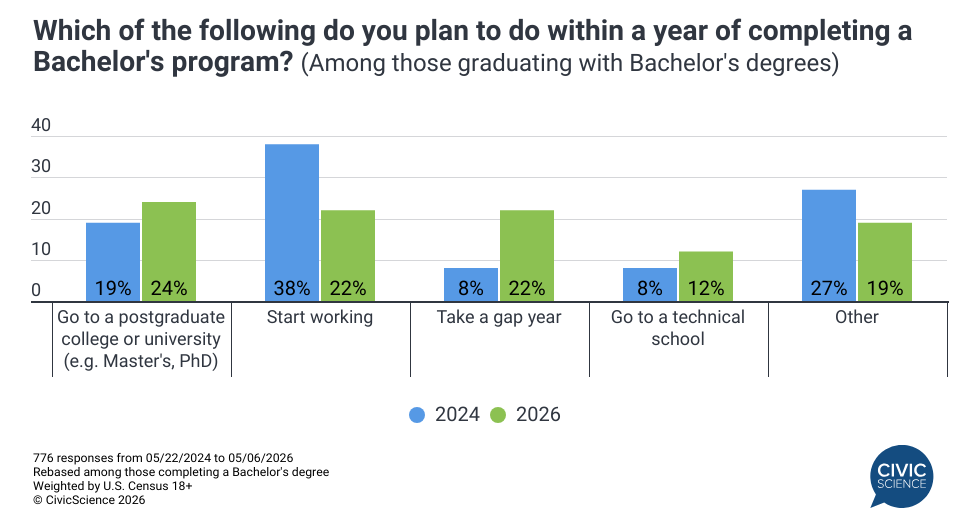
New college grads are freaking out about the job market. Whether they’re experiencing it first-hand or simply believing the news headlines, kids leaving college with bachelor’s degrees are dreading their job prospects in the AI era. As a result, we’ve seen a significant rise since 2024 in the number of graduates who are considering graduate school, gap years, or trade schools in lieu of entering the workforce. Also, in our 3 Things to Know this week, we looked at Americans’ most popular hobbies – cooking and baking continue to trend upward. Finally, we shared data on different generations’ sports viewing habits, finding that Gen Z interest wanes as seasons drag on, while older generations move in the opposite direction.
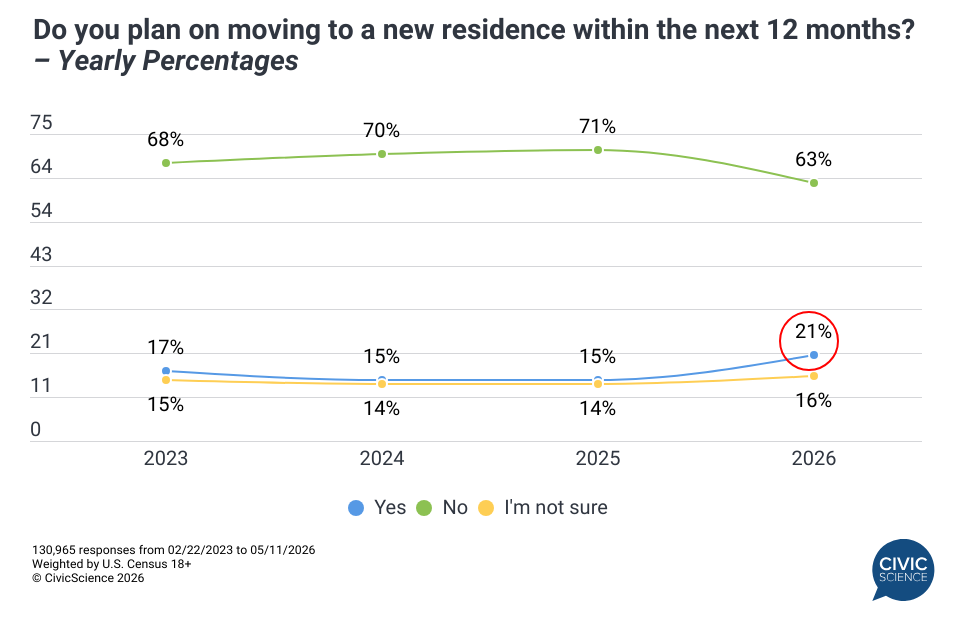
Americans are getting some serious cabin fever. As the U.S. housing market remains in a rampant state of paralysis, owed to supply shortages, skyrocketing costs, and the golden handcuffs of pre-pandemic, sub-3% mortgages, people are itching to move – if they can. This month, the percentage of adults who say they’re planning to relocate to a new residence in the next 12 months reached the highest level we’ve seen in over four years. The number one reason cited by prospective movers is the cost of living where they currently live. No surprise, the highest percentage of antsy relocators are younger families with kids, younger singles still living at home with their parents, and current renters. The big question, of course, is whether they will actually move or just continue to dream about it.
Surprisingly – until you think about it – consumers’ personal financial outlook improved considerably in April. After three consecutive months of decline, our Consumer Financial Health Index moved up and to the right last month, even elevating above the low point we saw after the tariff kerfuffle a year ago. It seems counterintuitive, given the larger-than-expected inflation jump reported this week, however we should always remember that inflation readings are a lagging indicator. Cost (especially energy cost) increases were baked into the consumer mindset two months ago – in real-time. It tells us most people believe the current situation is temporary. Hopefully they’re right. Otherwise, the rise in household debt concerns (the one metric in the index that worsened in April) is cause for serious economic worry.

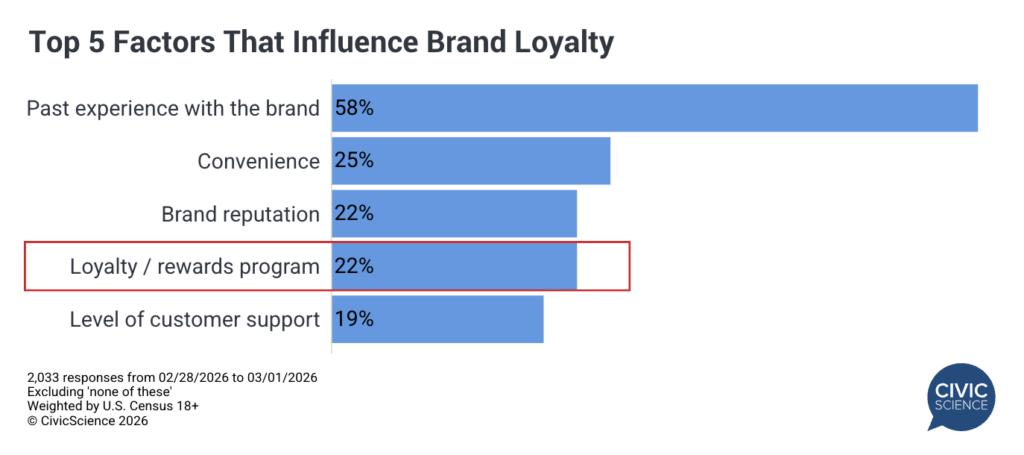
We should stop calling them “loyalty programs.” We revisited our tracking data this week on the popularity of so-called loyalty programs – which are really just “rewards” programs – among retailers, restaurants, and other businesses. The trend is on the uptick, with the number of U.S. adults who belong to five or more of these programs up over 50% in the last few years. To be clear, however, rewards incentives don’t exactly drive loyalty, in the literal sense. The experience with a company, convenience, and brand reputation are far more important in driving a true connection with a consumer. Rewards are merely becoming table stakes.
More awesomeness from the InsightStore:
- If you happened to miss our hot-off-the-press webinar on this year’s television upfronts, shame on you, but here’s a link to it anyway;
- I had a piece published in the Sports Business Journal this week on how sports are transcending economic headwinds and why.
The most popular questions this week:
Do you think you could make 40 out of 50 free throws?
Do you think late-night TV will ever go away?
Do you plan to attend any FIFA World Cup 2026 matches in the US?
Have you ever had success with growing flowers or produce from seeds?
Do you think the era of rational discourse is over?
Answer Key: Nah, probably 30; Yes; No, I wish; I’ve gotten tomatoes right a couple times; I’d like to think we’re rebounding slightly.
Hoping you’re well.
JD